
Mike Hancock is the founder of Hancock Injury Attorneys, a former insurance defense attorney, and an AV-Preeminent–rated lawyer by Martindale-Hubbell, with over 35 years of experience practicing personal injury law.
Key Takeaways
- Tailgating driving occurs when a driver follows the car in front or lead vehicle too closely, leaving insufficient space to stop safely.
- Tailgating causes accidents because it deprives drivers of the ability to respond to sudden changes on the road.
- Road conditions can dramatically increase the dangers associated with tailgating. When roads are slick from rain, covered in fog, or affected by debris and potholes, the distance needed to stop safely grows much longer.
- One of the easiest ways to avoid tailgating is to follow the three-second rule.
- Modern vehicles are equipped with advanced safety technologies designed to help prevent tailgating collisions and reduce the risk of rear-end accidents.
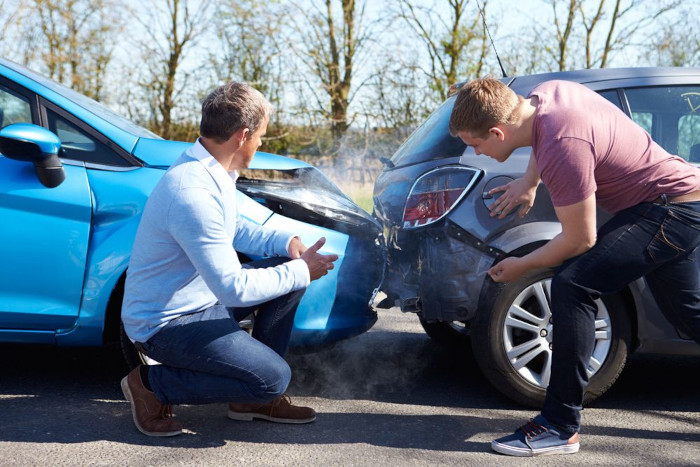
Tailgating car accidents are the most dangerous type of crash on Florida roads. Tailgating is a leading cause of car accidents, often resulting in serious consequences such as severe injuries and multi-vehicle pileups. While many drivers know that following too closely can lead to accidents, tailgating still happens every day on highways, surface streets, and even in residential areas.
Unfortunately, tailgating causes accidents that often result in serious injuries, costly vehicle damage, and complicated insurance claims. Tailgating also increases civil liability for drivers who cause accidents.
Tailgating accidents are primarily caused by aggressive driving, impatience, and distractions. Understanding what tailgating is, why it leads to crashes, and how to prevent it can help keep you safer behind the wheel. Tailgating reduces reaction time to less than one second, significantly increasing the risk of rear-end collisions.
Video Transcript:
My name is Kamani Douglas and I'm a client of Hancock Injury Attorneys Law Firm. Hancock Injury Law Firm did a fantastic job from the accident to seeking medical help.
They basically made me feel like they care about me more than just the money. If I was y'all I would go with Hancock Injury Law Firm. I highly recommend it if you're involved in an accident, a car accident or any kind of accident, go with Hancock Injury Law Firm.
What Is Tailgating?
Tailgating driving occurs when a driver follows the car in front or lead vehicle too closely, leaving insufficient space to stop safely. Every vehicle needs a certain amount of distance to slow down or come to a complete stop, especially at higher speeds.
When that distance is reduced, the risk of a collision increases dramatically. If the leading driver or lead vehicle stops suddenly, the trailing driver has limited reaction time, making rear-end collisions much more likely.
Safe following distance depends on speed, road conditions, and traffic patterns. Yet many drivers underestimate how much space they need or assume they can react quickly enough if something goes wrong. When a driver follows another vehicle too closely, there is virtually no margin for error.
Why Tailgating Causes Accidents
Tailgating causes accidents because it deprives drivers of the ability to respond to sudden changes on the road. Tailgating increases the risk of rear-end collisions because it reduces the reaction time available to the driver following too closely. If the vehicle in front brakes abruptly due to traffic, debris, or an unexpected hazard, the tailgating driver may not have enough time to stop.
Rear-end collisions caused by tailgating are especially dangerous because they often happen at full speed. Rear-end collisions occur when the driver in the back crashes into the rear part of the vehicle in front of them. These crashes commonly result in injuries such as whiplash, neck and back injuries, concussions, and soft tissue damage.
Tailgating car accidents can result in severe injuries due to the force of impact. In more severe accidents, tailgating can lead to broken bones or long-term physical injuries.
Even a momentary distraction, such as glancing at a phone or adjusting the radio, can turn tailgating into a serious accident.
Common Reasons Drivers Tailgate
People tailgate for various reasons, including impatience, distraction, road rage, preparing to overtake, or even to reduce wind resistance for larger vehicles. Drivers tailgate for many reasons, even when they know it’s unsafe. Some of the most common causes include:
- Running late to work, appointments, or events
- Heavy traffic and congestion
- Misjudging safe following distances
- Overconfidence in their driving skills
Aggressive driving behaviors also play a major role. Drivers who are impatient, angry, or frustrated are more likely to tailgate in an attempt to pressure the driver ahead to move faster. Distracted driving, including texting or using a phone, further reduces reaction time and increases accident risk. It’s important to be aware of other drivers and to prioritize safety and courtesy on the road to help prevent tailgating.
Road Conditions and Tailgating Risks
Road conditions can dramatically increase the dangers associated with tailgating. When roads are slick from rain, covered in fog, or affected by debris and potholes, the distance needed to stop safely grows much longer. In these situations, tailgating becomes even more hazardous, as drivers have less time and space to react if the vehicle ahead slows down or stops unexpectedly. Construction zones, uneven pavement, and sudden lane changes can also force drivers to brake quickly, making rear-end collisions a common occurrence when there isn’t sufficient distance between cars.
Drivers who fail to adjust their following distance for poor road conditions put themselves and others at risk of serious accidents. If a tailgating accident happens under these circumstances, proving liability can become more complex, especially when insurance companies try to shift blame.
That’s why it’s crucial to work with a car accident attorney who understands how road conditions factor into rear-end crashes and can help you pursue fair compensation for your injuries and vehicle damage. Remember, maintaining a safe distance is not just about following the law; it’s about protecting yourself and everyone else on the road.
How to Stop Tailgating and Drive More Safely

One of the easiest ways to avoid tailgating is to follow the three-second rule. Pick a fixed object on the road ahead, such as a sign or pole. When the vehicle in front of you passes, count three seconds. If you reach the object before finishing the count, you are following too closely.
In bad weather, such as rain, fog, or slick road conditions, you should increase your following distance even more. Wet roads require longer stopping times, making tailgating especially dangerous. Drivers should increase their following distance to 4 or more seconds in rain or fog.
Avoid aggressive driving, stay focused on the road, and eliminate distractions inside your vehicle. Slowing down slightly and giving yourself space can significantly reduce your chances of being involved in a rear-end collision. Drivers should use mirrors frequently and avoid slamming the brakes unless necessary to prevent triggering a collision from behind.
If you have an accident case involving a tailgating car and need help dealing with the insurance company, contact us for a free consultation.
Technology and Safety: Tools to Prevent Tailgating
Modern vehicles are equipped with advanced safety technologies designed to help prevent tailgating collisions and reduce the risk of rear-end accidents. Features like forward-collision warning systems, automatic emergency braking, and adaptive cruise control use sensors and cameras to monitor the distance between your car and the vehicle in front. If you get too close, these systems can alert you or even apply the brakes automatically, helping to avoid a tailgating accident before it happens.
Other technologies, such as lane departure warnings and blind spot monitoring, also play a role in preventing accidents caused by distracted driving or aggressive driving behaviors. While these tools can make driving safer, they are not a substitute for staying alert and maintaining a safe following distance at all times. Drivers should use these features as an extra layer of protection, not as an excuse for dangerous driving behavior.
If you’ve been involved in a tailgating accident, whether or not technology was a factor, a personal injury attorney can help you understand your rights and options. Proving liability in tailgating collisions often requires a thorough investigation, especially when negligent drivers or aggressive driving are involved. An experienced attorney can help you seek the full and fair compensation you deserve for your injuries, vehicle damage, and other losses.
Who Is at Fault in a Tailgating Accident?
In most tailgating accidents, the at-fault driver is typically the rear driver, as they are presumed to be at fault for failing to maintain a safe following distance. However, civil liability still needs to be proven with evidence. At-fault drivers in tailgating accidents may face lawsuits for medical bills, lost wages, and property damage.
Insurance companies may argue that the lead driver stopped suddenly or contributed to the crash. Police reports, witness statements, vehicle damage, and traffic camera footage are often critical in determining liability. Proving liability in a tailgating accident often requires gathering sufficient proof, such as traffic cam footage or witness testimony. In many cases, the rear driver is presumed at fault in a tailgating accident due to failing to maintain a safe following distance.
What to Do If You’re Injured in a Tailgating Accident
If you are injured in a tailgating accident, seek medical attention as soon as possible, even if you feel okay initially. Some injuries may take hours or days to fully appear.
Victims of tailgating accidents may be eligible for several types of compensation, including economic and non-economic damages.
Document the accident, keep copies of medical records, and avoid giving recorded statements to insurance companies without legal guidance. Calculating damages after a tailgating accident is critical to ensure full and fair compensation for the victim. Protecting your rights early can make a significant difference in your claim.
Working with an attorney who has legal experience in accident cases can help you deal with the insurance company and maximize your compensation.
How Hancock Injury Attorneys Can Help
If you’ve been injured in a tailgating accident, Hancock Injury Attorneys is here to help. Our experienced personal injury attorneys understand how rear-end collision claims work and know how to deal with insurance companies that try to minimize compensation.
We are committed to protecting your rights and pursuing the compensation you deserve. To prove liability in a tailgating accident, you will need sufficient evidence, such as traffic cam footage, witness testimony, and crash data. Call 813-915-1110 today to schedule your free case consultation.
FAQs
What Is Tailgating?
Tailgating driving occurs when a driver follows the car in front or lead vehicle too closely, leaving insufficient space to stop safely.
How Can I Stop Myself From Tailgating?
One of the easiest ways to avoid tailgating is to follow the three-second rule. Pick a fixed object on the road ahead, such as a sign or pole. When the vehicle in front of you passes, count three seconds. If you reach the object before finishing the count, you are following too closely.
What Should I Do After an Accident Involving Tailgating?
If you are injured in a tailgating accident, seek medical attention as soon as possible, even if you feel okay initially, as some injuries may take hours or days to fully appear.