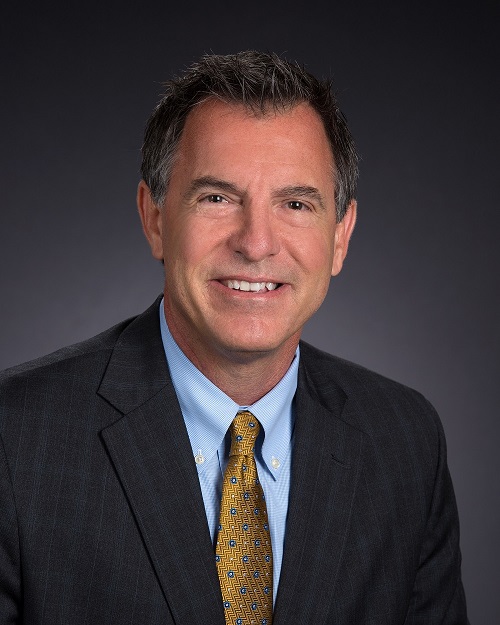
Mike Hancock is the founder of Hancock Injury Attorneys, a former insurance defense attorney, and an AV-Preeminent–rated lawyer by Martindale-Hubbell, with over 35 years of experience practicing personal injury law.
Key Takeaways
- Several factors can make intersections in Tampa dangerous. Heavy traffic, poor visibility, lots of turning lanes, speeding, and distracted driving all raise the chances of accidents.
- Tampa’s growing population and tourism bring more drivers to the roads. This extra traffic, along with people who are unfamiliar with the area, makes busy intersections even more dangerous.
- What you do after an accident can affect your legal case. Getting medical help, taking photos, and not admitting fault are important for your health and any future claims.

If you’ve driven through intersections in Tampa, you’ve probably noticed that some feel especially risky. Here are some reasons why crash rates are higher in certain spots:
- Heavy traffic
- Distracted driving
- Confusing layouts
Knowing which intersections are most dangerous, what to do after a crash, and who to call can help keep you safe and protect your legal rights.
What Makes Intersections Dangerous?
Not every intersection is equally risky. The most dangerous ones are often older and have a few things in common:
- High Traffic Volume: The more cars passing through, the greater the possibility of collisions.
- Poor Visibility: Obstructed views, bad lighting, or confusing signage can make it harder to react in time.
- Many Turning Lanes: Left turns and lane changes can increase the chances of driver error.
- Speeding and Aggressive Driving: Busy commuter routes may encourage risky behavior.
- Distracted Driving: Phones, GPS, and in-car distractions can play a major role in intersection crashes.
Tampa’s rapid growth and popular spots like the Benchmark International Arena and Raymond James Stadium bring even more drivers to the area. Many of them don’t know the local roads, which makes accidents more likely.
What Are Tampa’s 5 Most Dangerous Intersections?
Accidents can happen anywhere, but people know that intersections in Tampa are especially dangerous. The Hillsborough County Sheriff’s Office is watching these and other risky spots as part of their High Visibility Enforcement Operation.
1. Hanley Road and Waters Avenue West
At this Town ‘N’ Country intersection, rear-end and side-impact crashes happen often. Heavy traffic during rush hour and lots of stopping and starting make it easy for drivers to misjudge distance or speed. Nearby businesses like Publix and Walmart, plus many turning cars, add to the risk.
2. Hillsborough Avenue West and Sheldon Road
This intersection links a busy east-west road with a crowded north-south route, so it’s often congested. Drivers sometimes try to beat the light, which leads to red-light running and T-bone crashes. The heavy traffic makes this spot especially challenging.
3. Gibsonton Drive and New East Bay Road
This intersection is dangerous because of heavy commuter traffic and frequent jams, especially during rush hour. Lots of turning lanes and fast-moving cars make side-impact and rear-end crashes more likely when drivers misjudge gaps or signals.
Nearby businesses like AMC Riverview 14 and poor visibility in some spots also cause sudden stops and unpredictable driving at this intersection.
4. Bruce B. Downs Boulevard and Fletcher Avenue East
This intersection is close to the University of South Florida’s main campus, so you’ll find student drivers, commuters, and pedestrians all using it. Frequent lane changes, sudden stops, and distracted driving lead to many accidents here.
5. Dale Mabry Highway and Waters Avenue West
This intersection in Egypt Lake-Leto is dangerous because of:
- High traffic volume
- A wide, multi-lane layout
Because of these factors, drivers often have to make risky turns across fast-moving traffic.
This intersection also has many serious T-bone crashes, often caused by lane changes, running red lights, and cars going in or exiting nearby businesses like Tommy’s Express Car Wash and Wawa.
High speeds and heavy traffic also make this intersection especially risky for people walking or biking. These conditions raise the chances of serious or even fatal accidents.
What Do I Do if I’m Injured in a Tampa Intersection Accident?
Even if you drive carefully, you can’t control what others do. If you’re in an intersection accident, what you do right after can help protect your health and your legal rights.
1. Call 911 and get medical help: Your safety comes first. Even if you feel okay, see a doctor right away. Some injuries, like concussions or soft tissue damage, might not show up immediately.
2. Document the Scene: If possible, take photos and videos of:
- Vehicle damage
- Traffic signals
- Skid marks
- The surrounding area
Having photos and videos of the scene is important for your claim.
3. Exchange information: Get the other driver’s contact and insurance details, and also ask any witnesses for their contact information.
4. Don’t admit fault: Be careful what you say at the scene. Even saying sorry could be taken as admitting you caused the accident.
5. Tell your insurance company: Report the accident as soon as you can and stick to the facts. Don’t give a recorded statement unless you’ve talked to a lawyer.
6. Talk to one of our Tampa personal injury attorneys: Intersection accidents often involve disagreements about who had the right-of-way. Our experienced lawyers can look into the crash, collect evidence, and handle insurance companies for you.
Video Transcript:
Ever wonder how they come up with those big settlement numbers? Let me explain how personal injury claims are calculated.
Personal injury claims basically follow the same pattern no matter what the injury is, what causes the injury, whether it's a car accident, a slip and fall, a trip and fall, any other type of product defect case causing an injury, the evaluation and calculation of damages is always the same.
Let's take the a car accident case, the most typical type of personal injury case. In a car accident case, the first thing we're going to do is look at who caused the accident. Is it extremely 100% clear that the other person was the sole cause of the accident or are we dealing with a situation where our client is partly at fault also? In some cases we have multiple defendants that contributed to the cause of the accident.
First we're dealing with fault. Oftentimes it's 100% the fault of the other driver. In a car accident case in Florida we follow something called a contributory fault which means that even if the driver admits that they're at fault they can also claim that our client was partly at fault themselves. So that gets taken into account.
The second thing that is put into the evaluation and calculation of a personal injury claim is the amount of your damages. And your damages are essentially broken down into economic damages and non-economic damages. And the economic damages are generally medical bills up to the date of a settlement. We call those past medical bills and then a calculation of what your future medical bills are going to be as a result of your injuries.
So, we're taking all of that past and future medical bills into account. We're also taking into account the extent of your lost wages. And when we go to resolve your claim or settle your claim, anything from that day in the past is called past lost wages. Anything in the future that you haven't yet lost but are expected to lose is called loss of earning capacity.
A perfect example would be a client who works a manual labor job. Let's say they build homes. They're a brick layer. And as a result of the accident, they can no longer be a brick layer making $50,000 a year and they don't have the other educational background to go out there and do a job making the similar amount of money. So those clients sometimes have a loss of earning capacity. They're not going to be unable to work for the rest of their lives. They're just going to be unable to make as much as they did prior to the accident.
We calculate that loss of earning capacity. We use experts such as vocational rehabilitation experts to help us determine what the loss of earning capacity is. And then to calculate those damages, we also bring in an economist which is required under the law to bring all of that future loss of earning capacity back to present value.
Those are the economic damages, the medical bills and lost wages, past and future. Then we have the non-economic damages that are broken down into what is generally referred to as pain and suffering. But in Florida, pain and suffering is really seven different elements. You’ve got compensation for your pain, your suffering, your mental anguish, your inconvenience, your loss of enjoyment of life, and your disability and scarring. So pain and suffering is the term we commonly use, but it’s really seven different elements.
We then also figure out what your past pain and suffering is worth. And we also working with your doctors and other experts, we figure out what type of non-economic pain and suffering damages you're going to have in the future. That goes into the evaluation of your future pain and suffering.
All of those things start with how the accident happened. One of the things that are really important in car accident cases is what does the damage look like to the cars? Is it just a tiny dent on the bumper or is your car total? All of those factors go into the evaluation and calculation of damages in a personal injury claim.
If you have any other questions regarding the calculation or worth of your personal injury claim, please give me a call at 813-915-1110. I'll be happy to discuss it with you. The consultation's always free. We can do it over the phone. I'll be happy to answer any questions you might have.
Schedule a Free Consultation With Our Tampa Intersection Accident Lawyers Today
If you’ve been hurt in a Tampa intersection accident, you don’t have to go through it alone. At Hancock Injury Attorneys, we know the process can feel overwhelming, and we’re here to help you every step of the way.
Our team knows the Tampa area, the local roads, and how insurance companies try to minimize claims. We’ll work hard to get you the compensation you deserve for your medical bills, lost wages, and pain and suffering.
Your consultation is free, and you won’t pay us unless we win your case.
Call Hancock Injury Attorneys at 813-915-1110 to set up your free consultation and get the guidance you need to move forward with confidence.
Video Transcript:
My name is Kaimonne D. and I'm a client of Hancock Injury Attorneys Law Firm. Hancock Injury Attorneys Law Firm did a fantastic job from the accident to seeking medical help. They basically made me feel like they care about me more than just the money. If I was y'all I would go with Hancock Injury Law Firm. I highly recommend it if you're involved in an accident, a car accident or any kind of accident, go with Hancock Injury Law Firm.
FAQs
Q: Why are intersection accidents so common in Tampa?
A: Intersection accidents are common in Tampa because of a mix of factors:
- High traffic volume
- Rapid population growth
- Distracted driving
- Aggressive driving behaviors
Many intersections also have complicated layouts and lots of turning lanes, which makes driver mistakes more likely.
Q: What should I do immediately after being involved in a Tampa intersection accident?
A: Right after a Tampa intersection accident, you should:
- Call 911
- Seek medical attention
- Document the scene with photos or videos
- Exchange information with other parties
- Avoid accepting fault
- Notify their insurance company
We also suggest talking to one of our experienced lawyers to protect your legal rights. Call us at 813-915-1110 to schedule your free consultation today.
Q: What types of crashes are most common at dangerous intersections?
A: Rear-end crashes and side-impact (T-bone) accidents are most common at dangerous intersections in Tampa. They often occur due to running red lights, misjudging distances, sudden stops, and unsafe turns.